Mechanical keyboards are probably one of the best purchases you can make regarding your computer peripherals. This is because they are highly durable and very reliable.
For most of us, a keyboard is a tool that we use everyday, whether at home, at work, or at school. Since you use it everyday, why not get something that may potentially improve your experience?
How Keyboard Works
To understand what makes mechanical keyboards great, you must first understand how keyboards work. At its most basic, any keyboard (mechanical or otherwise) works pretty much as you would expect it to: you hit a key, that keystroke is registered by the electronics in your board, and sends it to your PC, where it turns into text. What separates the different styles of keyboards, though, is how those strikes are actually communicated to your board.

How Membrane Keyboard Works
Most standard boards use what’s known as a “membrane” system, where a thin film of dome-shaped rubber or silicone separates the key from the top of the keyboard’s electrical circuits. When you press a key, the membrane depresses, allowing the two contacts to meet and the keystroke to register with the computer. As such, the key only has two positions: up or down. You can’t really press a key down halfway.

How Mechanical Keyboard Works
In mechanical keyboards, however, there is no membrane. Instead, each strike is handled by an actual mechanical switch that slides up and down. Each individual key is its own self-contained system, complete with the key, a metal actuator, and a spring that depresses on a stroke and returns the key back to its un-pressed state after a successful strike. The keyboard registers a keypress when the key is halfway down–not when it bottoms out completely

Why Mechanical Keyboards are Great?
Membrane-based boards pretty much offer one of two choices in how the keys respond: rubber or silicone (which doesn’t make all that much of a difference when typing). Mechanical keyboards, on the other hand, come in many different types of switches.
Some are harder to press, some have more tactile feedback, and so on. With so many choices, you can personally choose your board based on your usage and typing style.
Keypress
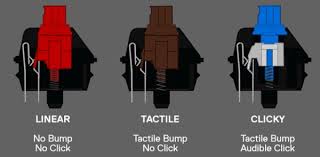
Another thing that makes me love mechanical keyboards is how they feel. you can’t achieve that with the membrane keyboard, With mechanical keyboard, you can pick switches, which means you can make it clicky, tactile or smooth linear. You can also customize the way the switches sound, such as loud, moderate, or quiet.
Variety
Another cool thing about mechanical keyboard is the variety and the ability to pick out a keyboard that suits your need. You can pick a keyboard based on the way the keypress feel, the keycaps color or material, and the switches
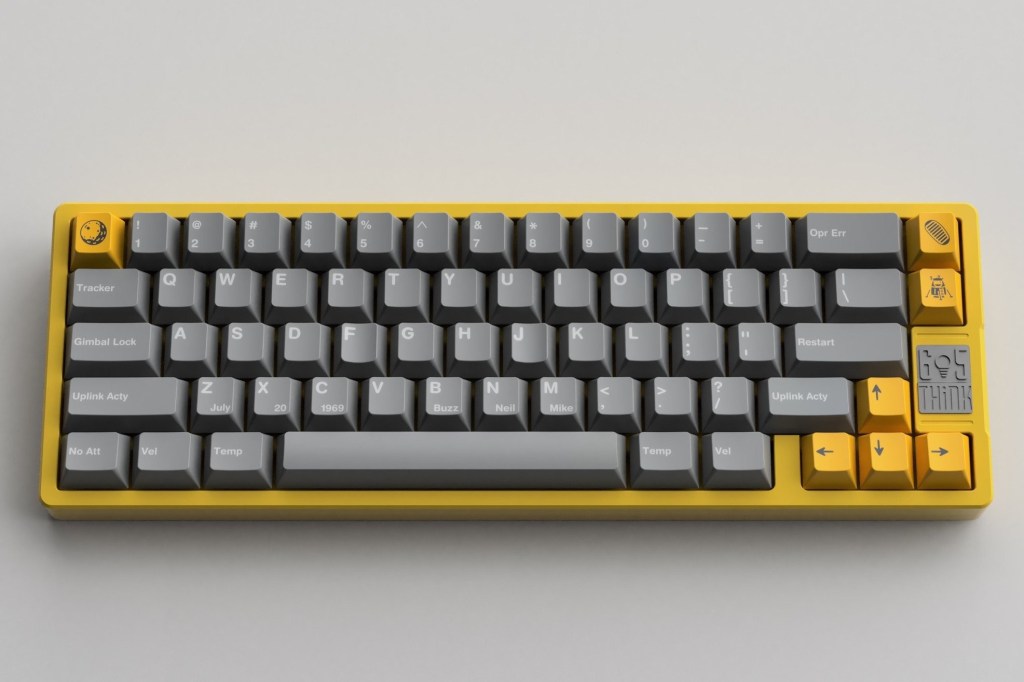
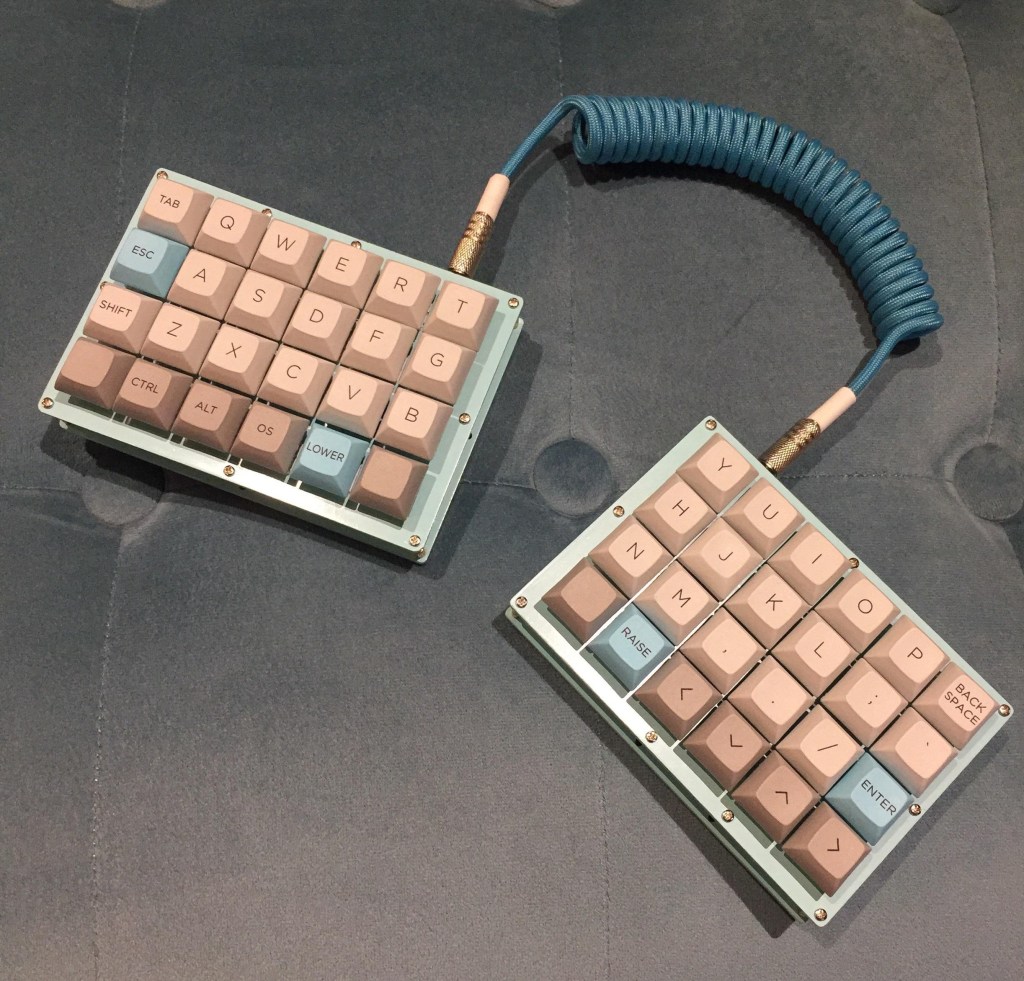
Also, They are very good looking. Beauty is subjective, but you have full control over the way your keyboard look. For example, you can change the keycaps to your favorite color, or the base to your favorite material, such as plastic, aluminum or wood.
THEY LAST !!!
Also, they last much longer than membrane keyboards. Their switches are rated for 50 million keypresses, which under heavy use can last between 10 to 15 years. The average $10 membrane keyboard is rated for around 5 million keypresses, which can last for only 1 or 2 years under heavy use.
 A Guide to Mechanical Keyboards